
Duval County Police Records Search
Duval County and the City of Jacksonville operate under a consolidated government. The Jacksonville Sheriff's Office serves as both the county sheriff and city police department. This makes JSO the primary law enforcement agency for almost all of Duval County. Police records include incident reports, arrest logs, crash reports, and case files. You can request these records through the JSO public records request system. Most records are public under Florida law, though some exemptions exist for active investigations or sensitive information in Duval County.
Duval County Quick Facts
Jacksonville Sheriff's Office
The Jacksonville Sheriff's Office handles law enforcement for Duval County and Jacksonville. JSO operates as a consolidated agency covering both city and county areas. They handle patrol, investigations, the jail, and all police records. The main website is at www.jaxsheriff.org with contact info and department details.
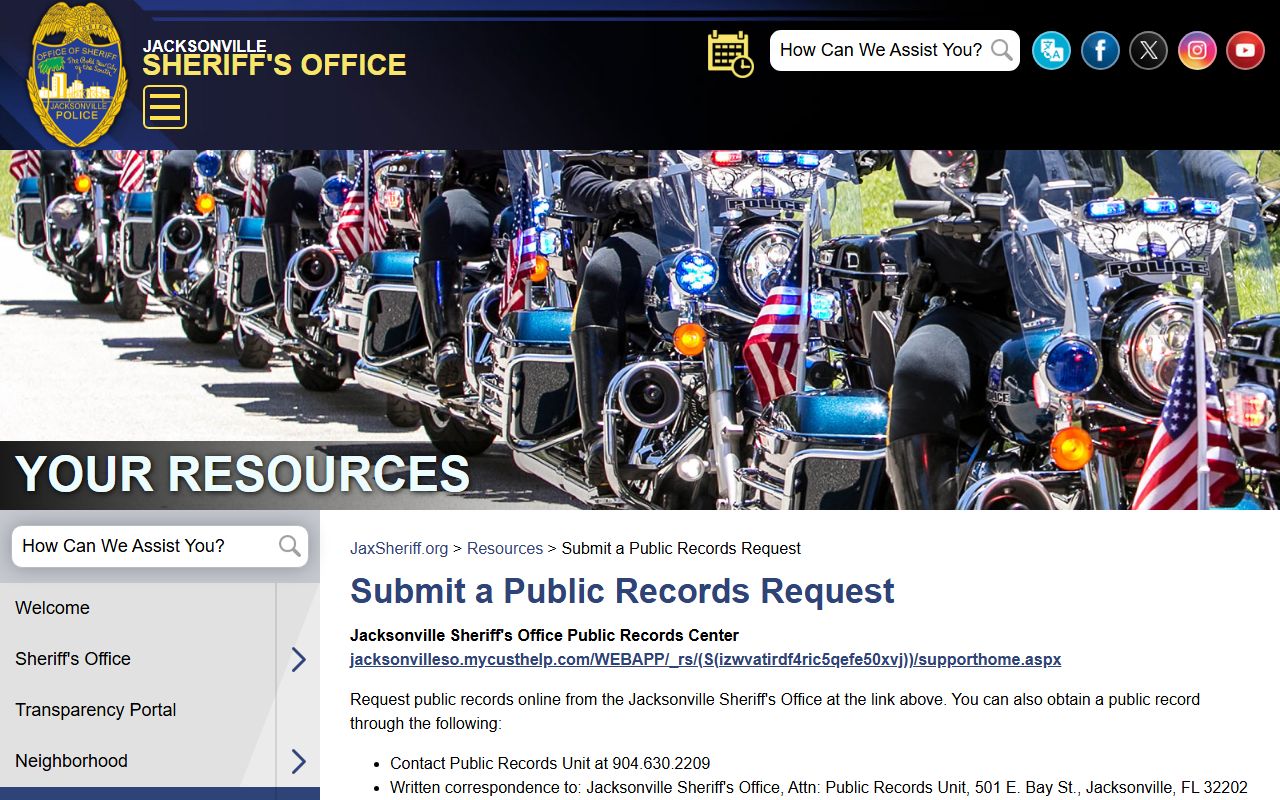
Public records requests go through JSO's online portal and resources page. Visit www.jaxsheriff.org/Resources/public-records.aspx to learn how to submit a public records request. This page explains the process for getting incident reports, arrest records, and other documents. You can submit requests online through their portal system in Duval County.
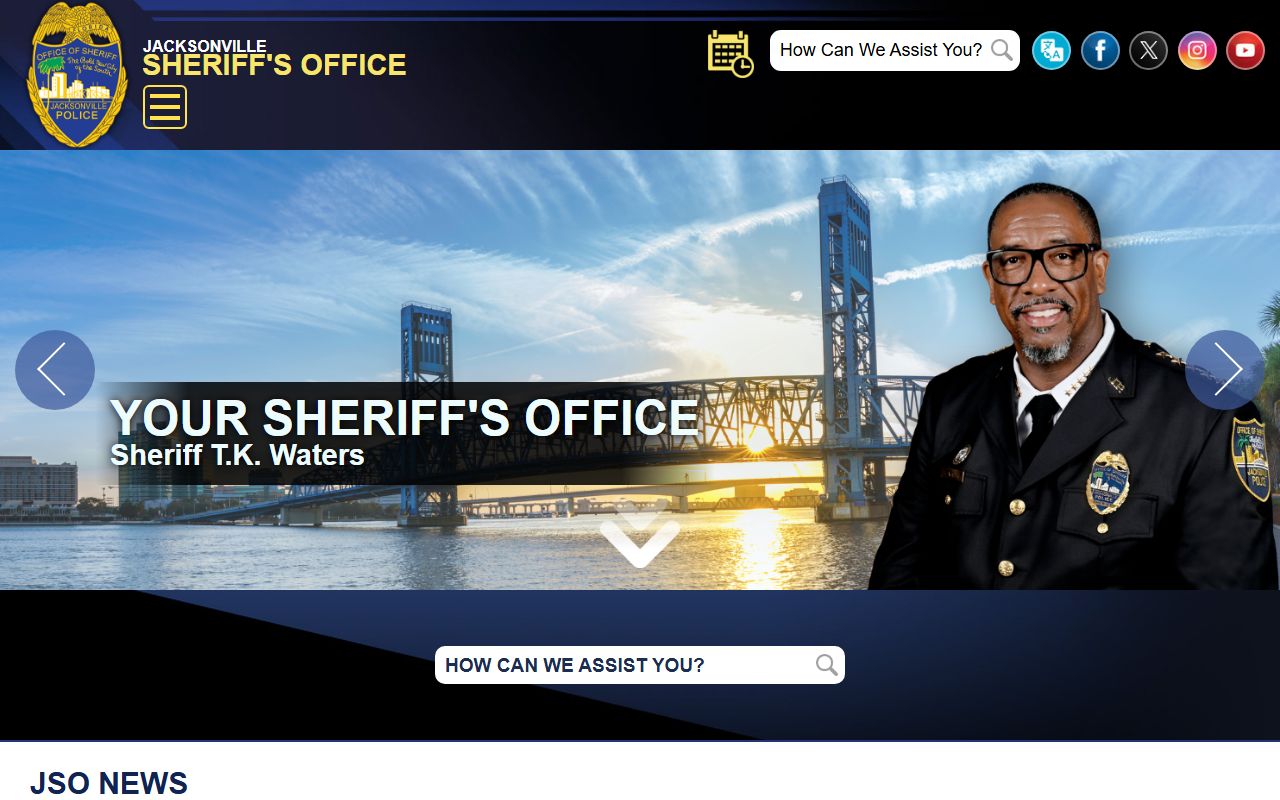
JSO uses an online records portal for public requests. The portal is at jacksonvilleso.mycusthelp.com where you can submit and track requests. This system accepts requests 24 hours a day. You get updates by email as your request is processed. The portal handles most types of police records in Duval County.
For help with records requests, call the JSO public records unit. Staff can tell you if a report exists and how to get it. Bring case details when you call, such as date, location, names, and case number if known. The more details you provide, the faster they can find your report in Duval County.
Types of Police Records
Duval County police records cover many incident types. Offense reports document crimes like theft, burglary, assault, fraud, and vandalism. These reports show what happened, who was involved, and what action JSO took. Most offense reports become public after the case is closed or charges are filed. Active investigations may be exempt from immediate release.
Arrest records come from the Duval County Jail. When someone is arrested, JSO creates a booking record with photo, charges, and bond amount. You can search current inmates online through the jail roster on the JSO website. For past arrests, submit a public records request. Arrest records are usually public unless sealed by court order in Duval County.
Traffic crash reports are kept by the agency that investigated. If JSO responded, the report is with JSO. For crashes on interstates or state highways handled by Florida Highway Patrol, order the report through the state website at www.flhsmv.gov/traffic-crash-reports/ for a fee. JSO crash reports may be free or have a small copy charge.
Records available in Duval County:
- Incident and offense reports
- Arrest and booking records
- Traffic accident reports
- Jail inmate records
- Case files and investigative summaries
- Call logs and dispatch records
How to Request Records
To get a police report in Duval County, use the JSO online records portal. This is the fastest method. Visit the portal and fill out the request form. Include all details you have about the incident. This includes date, time, location, people involved, and case number if known. You will get a confirmation and tracking number. Most requests are processed within a few days in Duval County.
You can also submit a written request by mail. Send it to the Jacksonville Sheriff's Office Public Records Unit. Include your name, contact info, and a detailed description of the records you want. Be specific about what you need. General requests take longer to process. Allow at least a week for a response by mail.
In-person requests work if you are in the Jacksonville area. Visit JSO headquarters during business hours. Bring a photo ID. Ask for the public records section. Staff will help you fill out a request form. If the report is ready and cleared for release, you may get it the same day. Otherwise, you will be told when to expect it.
Note: Some records may have fees for copies and processing time in Duval County.
Florida State Records
The Florida Department of Law Enforcement keeps statewide criminal records. FDLE collects data from all Florida agencies including JSO in Duval County. You can get a background check through FDLE for $24. This shows arrests and convictions from across Florida. Processing takes 5 to 10 business days by mail. Call (850) 410-8161 for criminal history questions.
FDLE has a public records portal at fdle.justfoia.com/publicportal for general requests. This covers FDLE documents but not local police reports. For Duval County police records, contact JSO directly. More info on criminal history is at www.fdle.state.fl.us/criminal-history-records/contact-us with phone and address details.
Florida's public records law is in Chapter 119 Florida Statutes. This law requires government agencies to release most records. It also lists exemptions for active cases, personal info, and security matters. JSO reviews each request under this law in Duval County.
Duval County Clerk of Court
The Duval County Clerk of Court keeps criminal court records. Once charges are filed, the case goes to court. Court records show charges, hearings, pleas, and outcomes. You can search court cases online through the Clerk's website for free. This helps you see what happened after an arrest in Duval County.
Police reports and court records are different. Police reports come from JSO. Court records come from the Clerk after the case enters the court system. Both are public but you get them from different offices. The Clerk office is at courthouses throughout Jacksonville and Duval County.
Nearby Counties
Duval County is in northeast Florida. It borders several counties. If you are not sure where an incident occurred, check the exact location. You must request records from the agency with jurisdiction over that area.