
Find Police Records in Florida
Police records in Florida are kept by local law enforcement agencies across all 67 counties. These records include incident reports, arrest logs, traffic crash reports, and case files. The Florida Department of Law Enforcement maintains a central repository for statewide criminal history information. You can search many police records online through county sheriff offices, city police departments, and state databases. Some records are available for free while others require a fee.
Florida Police Records Quick Facts
Where to Find Police Records in Florida
Florida law enforcement records are held at multiple levels. Each county sheriff maintains records for unincorporated areas and county jails. City police departments keep their own reports for incidents within city limits. The Florida Department of Law Enforcement serves as the central records hub for the state. FDLE collects and stores criminal history data from all Florida agencies.
You can request police records from the agency that created them. If an arrest happened in Tampa, contact Tampa Police Department. For incidents in unincorporated Hillsborough County, reach out to the Hillsborough County Sheriff. Each agency has its own public records request process. Many accept requests online through records portals. Others require mail or in-person visits.
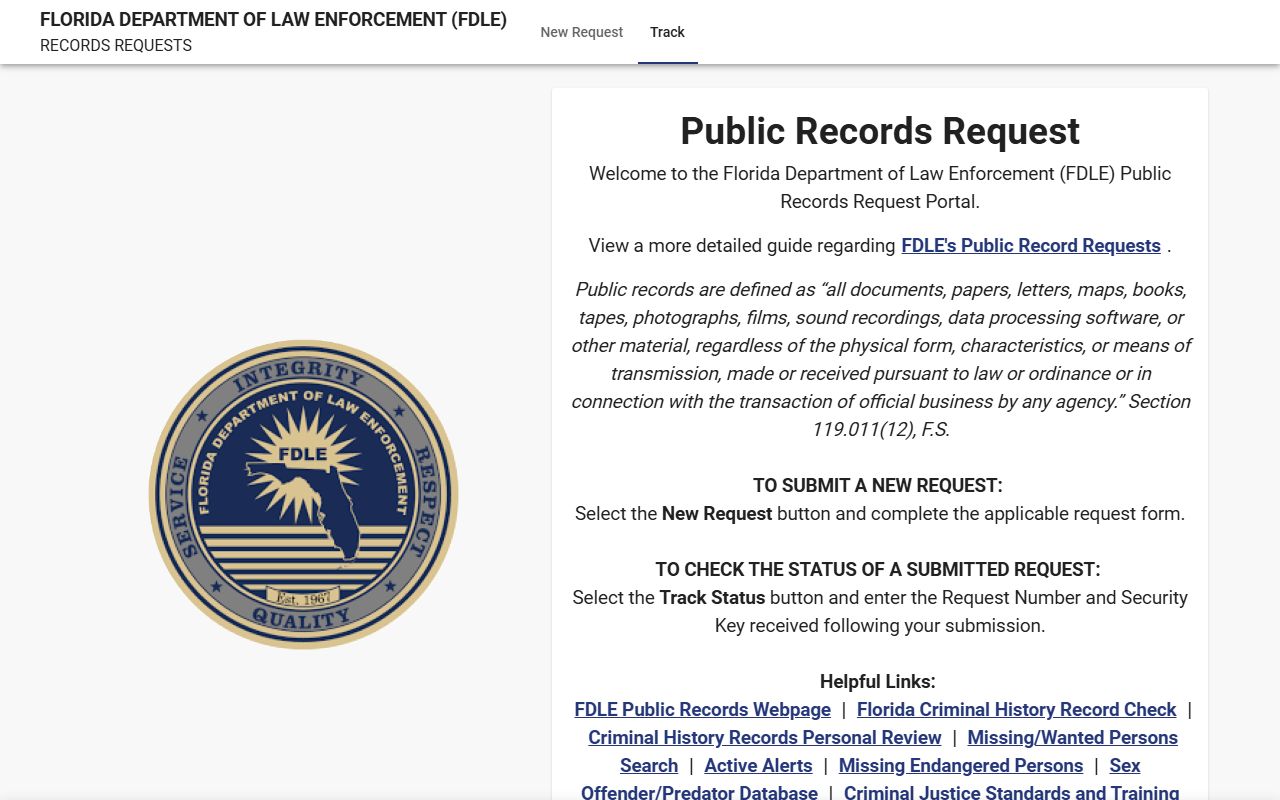
The FDLE offers several online tools for searching police records statewide. The Public Records Portal at fdle.justfoia.com/publicportal lets you submit requests for FDLE documents. You can track your request status online. The portal is free to use for general records requests in Florida.
For criminal background checks, FDLE processes requests through mail and in person at their Tallahassee office. Call (850) 410-8161 for criminal history records questions. The fee is $24 per background check in Florida. Results typically take 5 to 10 business days by mail.
Types of Police Records Available
Florida police records come in many forms. Incident reports document crimes, accidents, and calls for service. These reports include date, time, location, people involved, and a narrative of what happened. Most agencies release redacted copies to the public. Arrest reports show when someone was taken into custody, the charges, and the arresting officer.
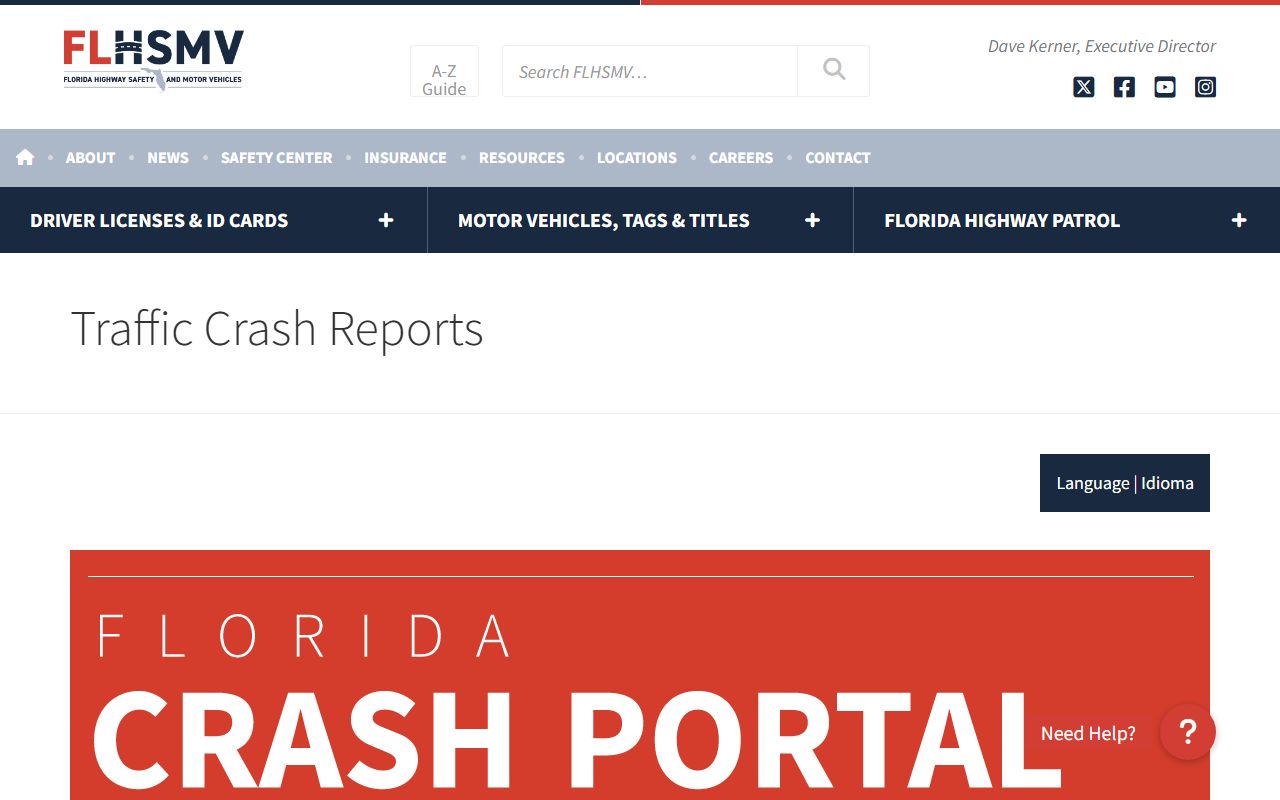
Traffic crash reports are a major category of police records in Florida. The Florida Highway Patrol and local agencies investigate crashes. Under Florida law, crash reports involving injury, death, or property damage over $500 must be filed. The Department of Highway Safety and Motor Vehicles maintains crash report data. You can order copies online at www.flhsmv.gov/traffic-crash-reports/ for a small fee.
Booking records come from county jails. When someone is arrested, the jail creates a booking record with their photo, fingerprints, charges, and bond info. Many Florida sheriffs post booking logs online. You can search by name or date. These logs update daily in most counties.
Police records in Florida typically include:
- Case number and report date
- Type of incident or offense
- Location where it occurred
- Names of involved parties
- Officer name and badge number
- Narrative description of events
- Disposition or outcome
Case files for ongoing investigations may have restricted access. Agencies can withhold active criminal intelligence information under Florida law. Once a case is closed, most records become public.
How to Search Police Records Online
Many Florida counties offer online access to police records. Sheriff offices often have searchable databases for booking logs and incident reports. City police departments vary in their online offerings. Some have full records portals while others only post basic info.
The FDLE Public Records Portal is a centralized system for state-level requests. Visit fdle.justfoia.com/publicportal to submit your request. You need to create a free account. Fill out the form describing what records you want. Include dates, names, case numbers if known. FDLE staff will review and respond to your request within a few business days in Florida.
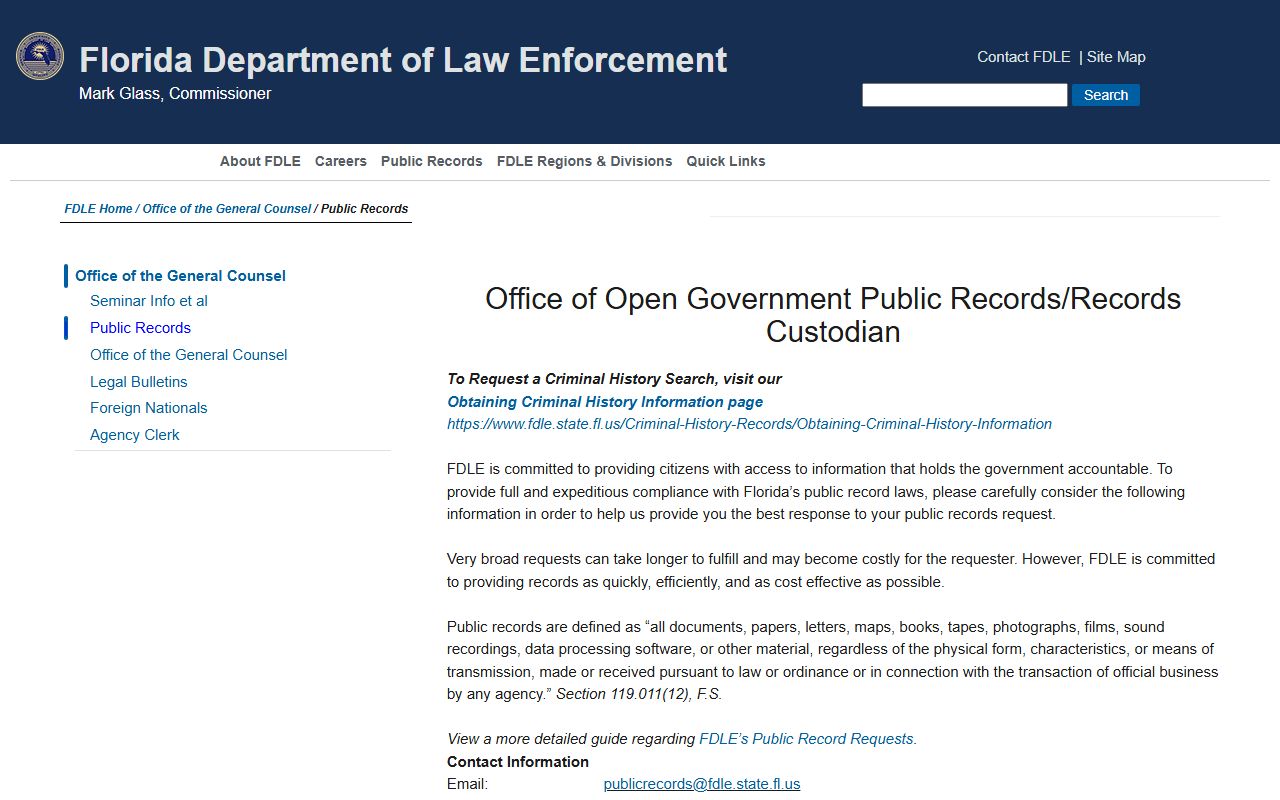
For county and local records, check the sheriff or police department website. Look for links labeled Public Records, Records Request, or Freedom of Information. Many agencies use online portals like JustFOIA or GovQA to manage requests. You submit your request through the portal and receive updates via email.
Some agencies charge fees for record searches and copies. Fees vary by county and city. Most charge per page for copies and may add search time charges. Check with the specific agency for their fee schedule before requesting records in Florida.
Florida Public Records Law
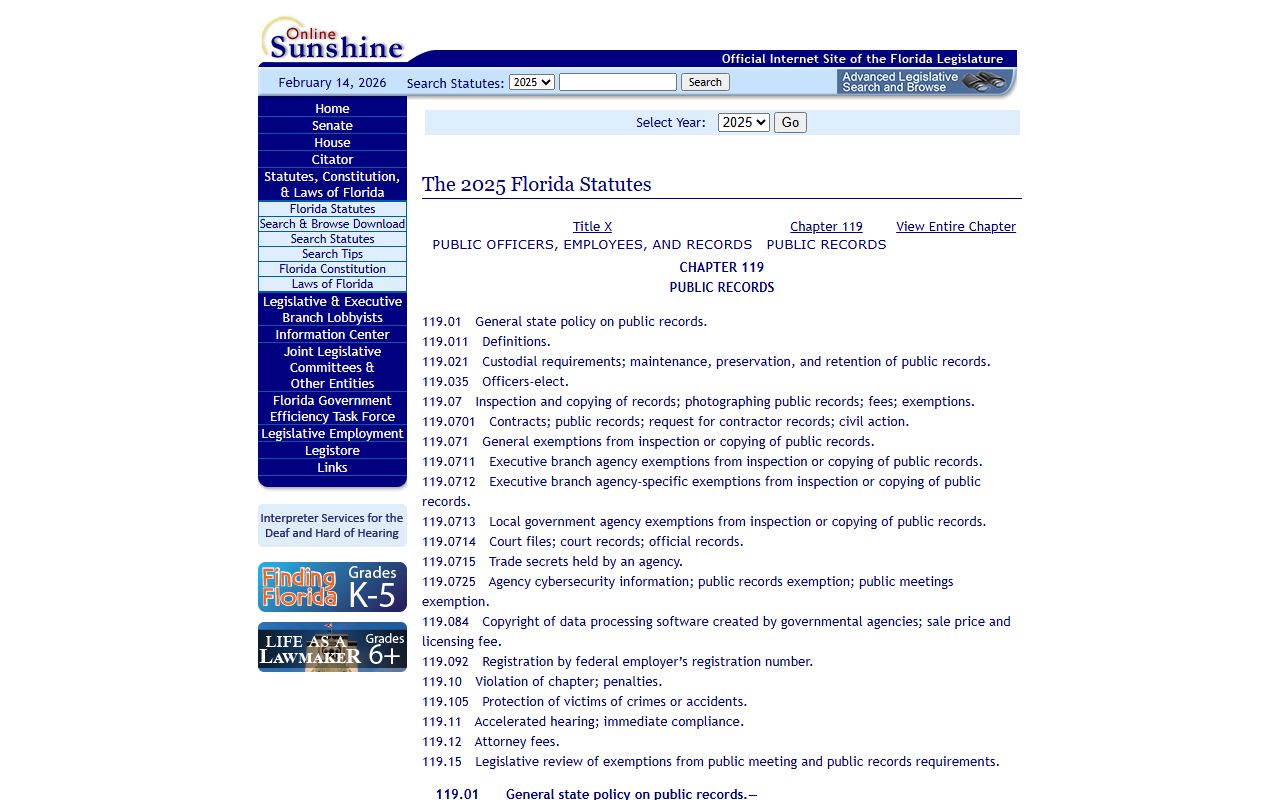
Florida has strong public records laws. Chapter 119 of the Florida Statutes governs access to government records. This law says every person has the right to inspect and copy public records. Police records fall under this law. Agencies must allow access unless a specific exemption applies.
Under Florida Statute § 119.07, you do not need to give a reason for your records request. You do not have to be a Florida resident. Any person can request police records. The agency must respond promptly. Most respond within a few business days in Florida.
Some police records are exempt from disclosure. Active criminal intelligence and ongoing investigations can be withheld under Florida law. Personal information like social security numbers and financial account details are redacted. Information about confidential informants is protected. Juvenile records have additional privacy protections in Florida.
If an agency denies your request, they must cite the specific exemption. You can challenge denials in court. Florida courts generally favor public access. Agencies bear the burden of proving an exemption applies.
Criminal History and Background Checks
FDLE maintains criminal history records for the state. These records compile arrest and conviction data from all Florida agencies. Background checks pull from this central database. You can request your own criminal history or authorize a third party to get it for you.
To request a background check, mail a completed application to FDLE Applicant Services Unit, P.O. Box 1489, Tallahassee, FL 32302. Include your fingerprints and a $24 check or money order. You can submit fingerprints electronically at many locations in Florida. Call (850) 410-8161 for help with criminal history requests.
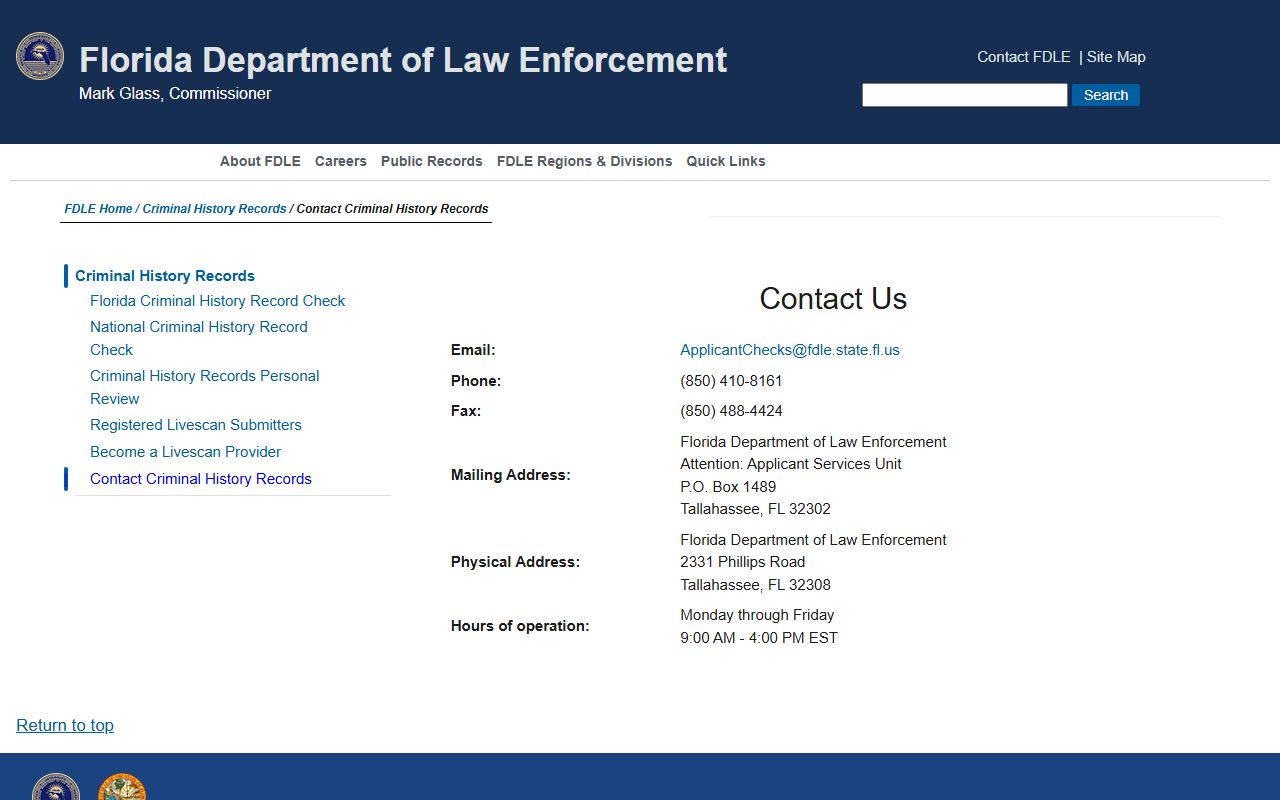
For in-person requests, visit the FDLE office at 2331 Phillips Road in Tallahassee. Walk-in service is available during business hours. Bring a valid photo ID and payment. Same-day results may be available for in-person requests in Florida.
FDLE also processes criminal history checks for employment, licensing, and volunteer screening. These checks go through authorized channels and require the subject's consent. Contact FDLE for info on becoming an authorized requester in Florida.
Police Records from County Sheriffs
Each Florida county has an elected sheriff who runs law enforcement in unincorporated areas. Sheriffs also operate county jails. They maintain extensive records for arrests, bookings, and incidents. Many sheriff offices have moved to online records portals in recent years.
Large counties like Miami-Dade, Broward, and Hillsborough have advanced online systems. You can search incident reports, arrest logs, and inmate rosters on their websites. Smaller counties may require phone or in-person requests. The level of online access varies widely across Florida's 67 counties.
Sheriff records often include jail booking logs updated daily. You can search by name to see recent arrests. The logs show charges, bond amount, and booking photo. Most counties make this data public as it happens. Check your county sheriff website for their specific records access tools.
Note: Sheriff and police records may differ in format and availability depending on local practices in Florida.
City Police Department Records
Florida cities with their own police departments handle records independently from the county sheriff. Major cities like Jacksonville, Tampa, Miami, and Orlando have large police departments with dedicated records units. These agencies process thousands of records requests each year.
Contact the police department directly for city records. Most have a public records office or public information officer. Some cities use online portals. Others accept email or mail requests. Response times depend on the size of the department and the complexity of your request in Florida.
City police may charge fees for copies and search time. Fees vary by city. Some offer free access to certain records like crash reports or booking logs. Others charge for all record types. Always ask about fees before submitting a request in Florida.
Florida Highway Patrol Records
The Florida Highway Patrol is part of the Department of Highway Safety and Motor Vehicles. FHP investigates crashes on state highways and enforces traffic laws. They create reports for serious crashes and traffic violations across the state.
For FHP records, contact their public records office at (850) 617-2000 or visit www.flhsmv.gov/florida-highway-patrol/contact-fhp/ for more info. Crash reports can be ordered online through FLHSMV. Other FHP records require a formal public records request in Florida.
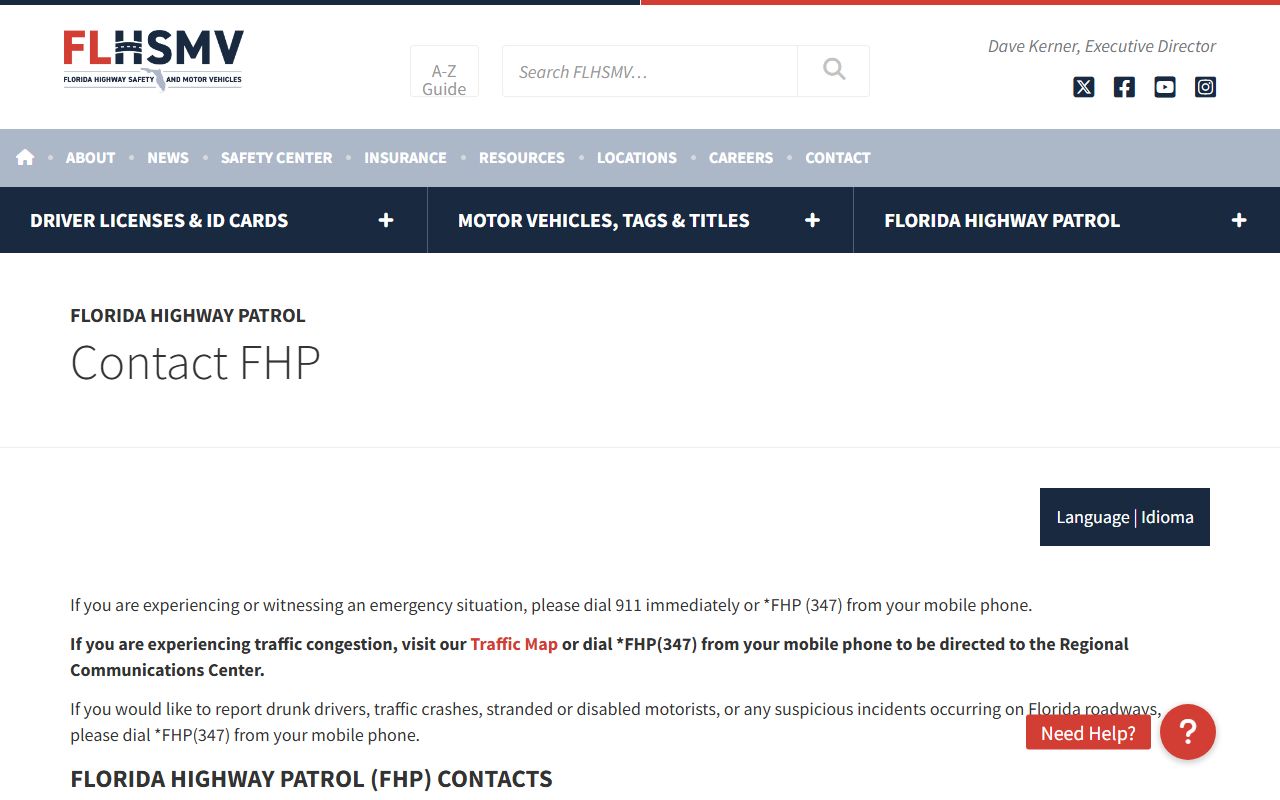
FHP maintains records for crashes, arrests, citations, and DUI cases. These records are public unless they fall under an exemption. The agency responds to records requests within the timeframes required by Florida law.
How to Request Police Records in Florida
Requesting police records starts with identifying the right agency. Figure out which department handled the incident. Then check their website for public records request instructions. Most agencies post their process online in Florida.
Your request should be specific. Include the date of the incident, names of people involved, location, and any case number if you have it. The more detail you provide, the faster the agency can find the records. Vague requests take longer to process in Florida.
Many agencies offer multiple request methods. You can submit online, by email, by mail, or in person. Online portals are fastest for most requests. Email works well for simple requests. Mail and in-person visits may be needed for large or complex record searches in Florida.
Here are common steps for requesting police records:
- Identify the agency that created the record
- Visit their website or call for request procedures
- Submit your request with specific details
- Pay any required fees
- Wait for the agency to process your request
- Receive your records by mail, email, or pickup
Response times vary. Simple requests may be filled in a day or two. Complex searches can take weeks. Florida law requires agencies to respond within a reasonable time. If you do not get a response in two weeks, follow up with the agency.
Browse Florida Police Records by County
Each Florida county has its own sheriff who maintains police records for unincorporated areas and the county jail. Select a county below to find local law enforcement contact info and records access details.
Police Records in Major Florida Cities
Major cities in Florida operate their own police departments with dedicated records units. Select a city to learn about police records and how to request them in that area.