
Orange County Police Records
Orange County is the fifth most populous county in Florida with over 1.4 million residents. The Orange County Sheriff's Office handles law enforcement outside city limits. Multiple city police departments operate within the county. Orlando Police Department serves the city of Orlando. Each agency keeps its own police records. Public records requests go to the agency that created the report. Most records become public when investigations close under Florida law.
Orange County Quick Facts
Orange County Sheriff's Office Records
The Orange County Sheriff's Office is one of the largest law enforcement agencies in Florida. The sheriff patrols unincorporated Orange County and provides services to cities under contract. Deputies respond to calls, make arrests, and write reports across a large service area. All of these activities create police records that become part of the county's system.
The Records Division handles public records requests for the sheriff's office. Call (407) 254-7000 to speak with staff about getting reports. The main office is at 2500 West Colonial Drive in Orlando. Walk-in requests are accepted during business hours. Bring ID when you visit. Some records can be provided right away. Others need time to prepare based on the size and complexity of the request.
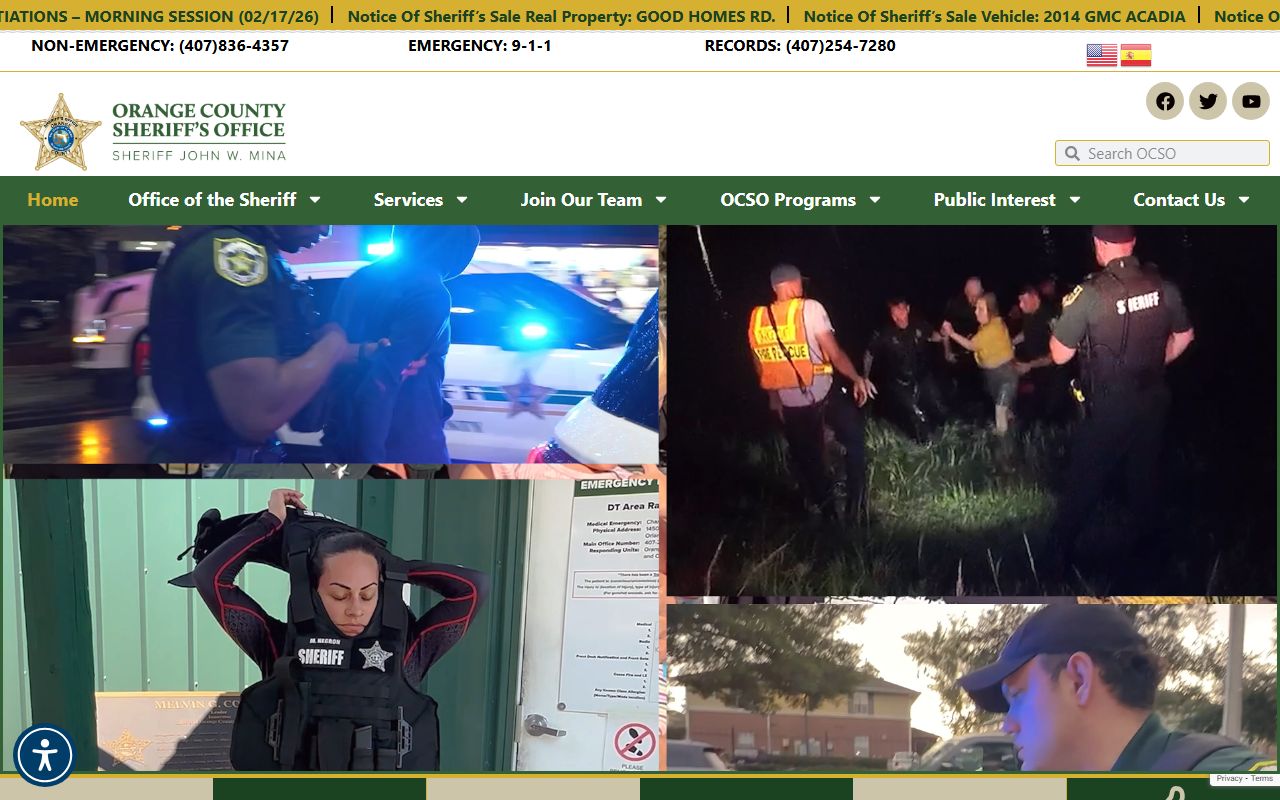
You can check the agency's website at www.ocso.com for forms and contact info. The site may have info about online request options. Many Florida agencies now use digital portals for public records. These let you submit requests and track their progress online. Payment for copies can often happen through the same system.
| Address |
2500 West Colonial Drive Orlando, FL 32804 |
|---|---|
| Phone | (407) 254-7000 |
| Website | www.ocso.com |
City Police Departments in Orange County
Several cities in Orange County have their own police departments. Orlando Police Department is the largest. Others include Apopka, Ocoee, Winter Park, Maitland, and Winter Garden. Each department maintains separate records from the sheriff. If your incident happened in city limits, contact that city's police department for records.
The Orlando Police Department serves a population of over 300,000. They handle a high volume of calls and incidents. Their records division processes requests for reports filed by Orlando officers. Call the department or visit their website to find out how to request records. Most agencies follow similar procedures under Chapter 119 Florida Statutes, but each may have its own forms or online systems.
Smaller city departments often have fewer staff to handle records requests. Processing times may vary. Fees are the same across all agencies because state law sets the maximum amounts. Always contact the department that wrote the report. They are the custodian of that record under Florida law.
Note: If you are not sure which agency responded to an incident, call the non-emergency number for the area where it happened and ask.
Access to Police Records
Florida has one of the broadest public records laws in the nation. Chapter 119 says all government records are public unless specifically exempted by law. Police records have exemptions for active investigations, victim privacy, and officer safety. Once an investigation ends, most info becomes available to the public.
Active criminal investigations stay confidential. This includes witness statements, evidence logs, and investigative notes. The exemption lasts as long as the case is active with a reasonable expectation of an arrest or prosecution. Once a case closes or goes cold, the active exemption no longer applies. Some info may still be protected under other statutes.
Certain info is always exempt or confidential:
- Identities of sexual offense victims
- Names of child abuse victims
- Home addresses of current and former law enforcement officers
- Personal info of undercover officers
- Confidential informant identities
- Body camera footage from inside private residences without consent
Victims of domestic violence, stalking, sexual battery, or aggravated battery can request that their personal info be kept confidential. The request must be in writing. This exemption lasts five years. Agencies must redact this info from public records in Orange County during that time.
How to Request Police Records
Anyone can request police records in Orange County. You do not need to be a party to the case. You do not have to explain why you want the records. The agency cannot ask your reason for the request. They can only ask for details that help them locate the records you want.
Include as much identifying info as possible when you make a request. The date and time of the incident help narrow the search. The location matters. Names of people involved make it easier. A case number speeds things up if you have one. The more detail you provide, the faster the agency can respond.
Methods for requesting records in Orange County include:
- In person at the records division office
- By phone to the main records line
- Through an online public records portal if available
- By mail with a written request letter
- By email to the agency's public records contact
Agencies must respond promptly. They tell you when records will be ready. If the request is large or complex, they may give you a timeline. They must provide an estimated cost for requests that involve fees. You can agree to the cost or withdraw your request. If they deny your request, they must cite the specific legal exemption that applies.
Statewide records come from other sources. Criminal history checks go through the FDLE Public Records Portal. Crash reports are at the Florida Crash Portal after the 60-day confidentiality period. Local incident and arrest reports come from the law enforcement agency that created them in Orange County.
Types of Police Records
Police agencies in Orange County generate many types of records. Incident reports document calls for service. Arrest reports show who was arrested and why. Crash reports detail traffic accidents. Each serves a different purpose and may have different access rules.
Incident reports include the basic facts of what happened. The date, time, and location appear in the report. Names of involved parties and witnesses may be listed. A narrative describes what officers observed and what actions they took. Some details may be redacted based on exemptions. Reports become public when investigations close.
Arrest records show the arrestee's name, age, address, and physical description. The charge appears on the booking report. Mugshots are public unless the arrest is later expunged or sealed. Bond amounts and court dates may be included. These records stay on file even if charges are dropped or the person is found not guilty. To remove an arrest from public view, you must petition the court for sealing or expungement.
Use of force reports document when officers use physical force. Officer-involved shootings create extensive records. These cases often involve multiple investigations. Internal affairs handles the administrative review. Outside agencies may investigate criminal aspects. Records from these cases have different release timelines based on whether the investigations are active.
Traffic Crash Reports
Orange County has thousands of traffic crashes each year. Reports come from the Orange County Sheriff, Orlando Police, other city departments, and the Florida Highway Patrol. FHP handles crashes on interstate highways and state roads. Local agencies cover city streets and county roads. All reports go to the Florida Department of Highway Safety and Motor Vehicles.
Florida Statute 316.066 makes crash reports confidential for 60 days. During that time, only people involved in the crash, their attorneys, insurance agents, and a few other specified parties can get copies. This prevents commercial use of crash victim data. After 60 days, reports become fully public and available to anyone.
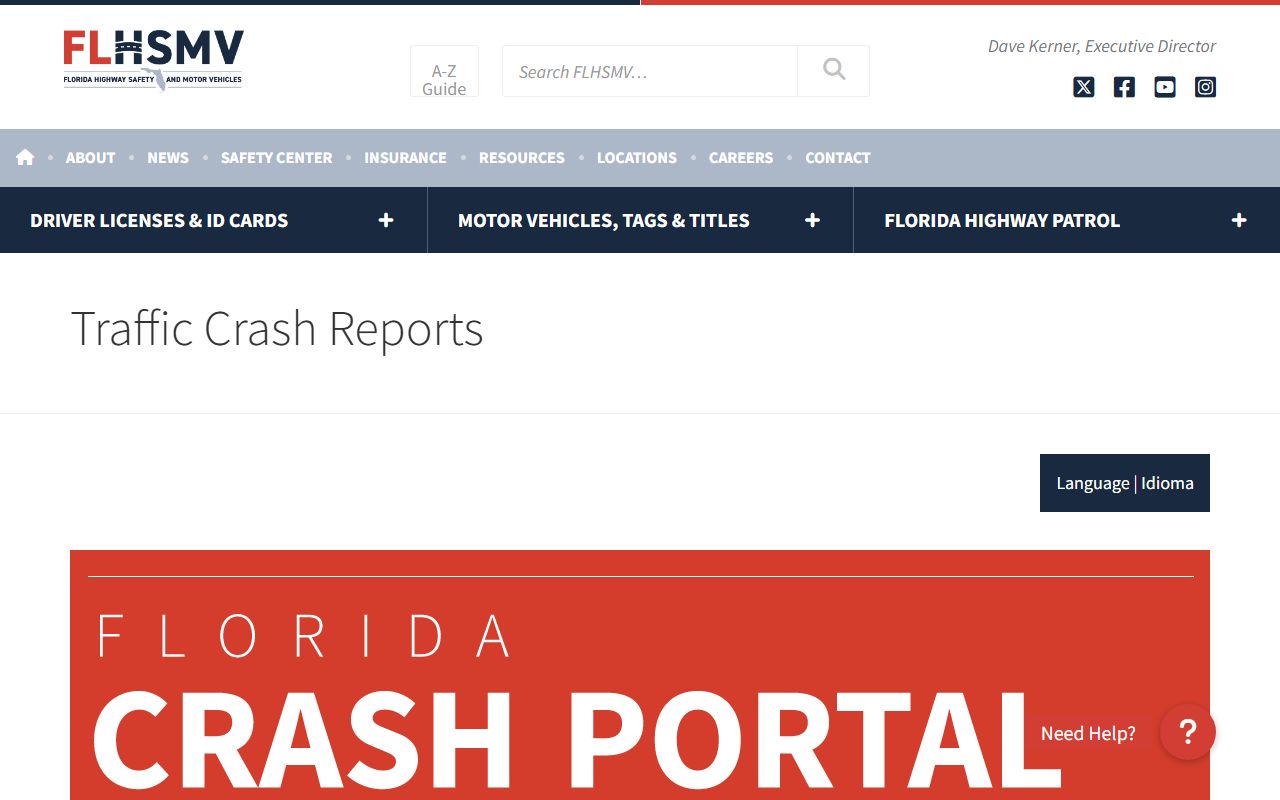
The Florida Crash Portal is the main way to get crash reports. Search by date, driver name, or report number. Each report costs $10 plus a $2 convenience fee. Payment is by credit card. Once you buy a report, you have 48 hours to download it. After that, the link expires.
Reports usually appear in the portal within 10 days of the crash. If you need a report sooner or it is not online, contact the investigating agency. They can tell you the status. For older reports not in the online system, call FLHSMV Crash Records at (850) 617-3416 option 5. You can also email CrashRecords@flhsmv.gov or mail a request to FLHSMV Crash Records, 2900 Apalachee Parkway MS 28, Tallahassee FL 32399.
Fees for Police Records
Section 119.07 sets the fee limits for public records in Florida. Agencies can charge up to 15 cents per one-sided page. Two-sided copies cost up to 20 cents per page. Certified copies add up to $1 per document. These are the maximum amounts allowed by law.
Requests that take more than 15 minutes or involve more than 20 pages may incur additional charges. Agencies can bill for staff time at the employee's hourly rate. This covers the cost of searching, reviewing, and copying records. They must give you a cost estimate before doing the work. You decide whether to proceed or withdraw your request.
Electronic records may have different fees. Copying to a CD or USB drive costs the price of the media plus any staff time. Database queries that require special programming can be billed at the actual cost. Agencies must explain all charges. They cannot profit from public records requests. Fees can only cover actual costs.
Legal Resources in Orange County
Legal aid organizations serve Orange County residents who need help with police records or criminal law matters. Legal Aid Society of the Orange County Bar Association provides free services to low-income individuals. Call their office to see if you qualify. The Florida Bar lawyer referral service can connect you with local attorneys for a reduced initial consultation fee.
The FDLE Office of Open Government helps with public records questions. They explain what records are public and how to request them. Call (850) 410-7676 or email publicrecords@fdle.state.fl.us for guidance. Their website has sample request letters and info about exemptions under Florida law.
For criminal history questions, contact FDLE Criminal History Records at (850) 410-8161. They can tell you what appears on your background check. If you want to seal or expunge a record, file a petition with the Orange County Clerk of Court. The clerk provides forms and filing instructions. An attorney can help with the process if needed.
Cities in Orange County
Orange County has numerous cities and towns. The largest is Orlando. Other major cities include Apopka, Ocoee, Winter Park, and Winter Garden. Most have their own police departments with separate records systems from the county sheriff.
Other cities in Orange County include Apopka, Ocoee, Winter Park, Winter Garden, Maitland, Eatonville, Belle Isle, Edgewood, Oakland, Windermere, and Bay Lake. Each city files records with its own police department or uses the county sheriff for law enforcement.
Nearby Counties
These counties border Orange County. Each has its own law enforcement agencies. Make sure you contact the right county based on where your incident occurred.